


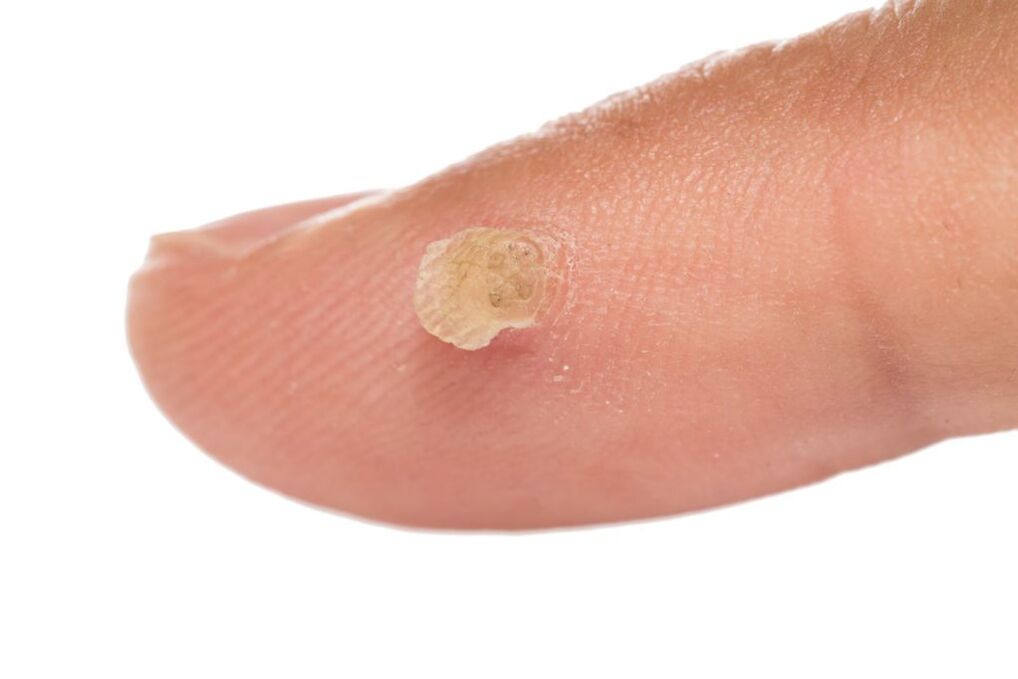
Warts are benign tumors that may appear anywhere on a person's skin and mucous membranes due to infection with the human papillomavirus.It affects epithelial cells by penetrating lesions on the skin (cuts, punctures, cracks) and through direct contact of the skin with infected cells (shaking hands, sharing objects with someone with warts).
There are a variety of medical and home methods to remove these growths.Let’s look at the most effective ways to remove warts.
Diagnosis of warts
To choose a treatment, the emerging tumor must be correctly diagnosed.To do this, the doctor uses visual inspection, palpation and, in some cases, histological examination in order to rule out the suspicion of malignant growth.
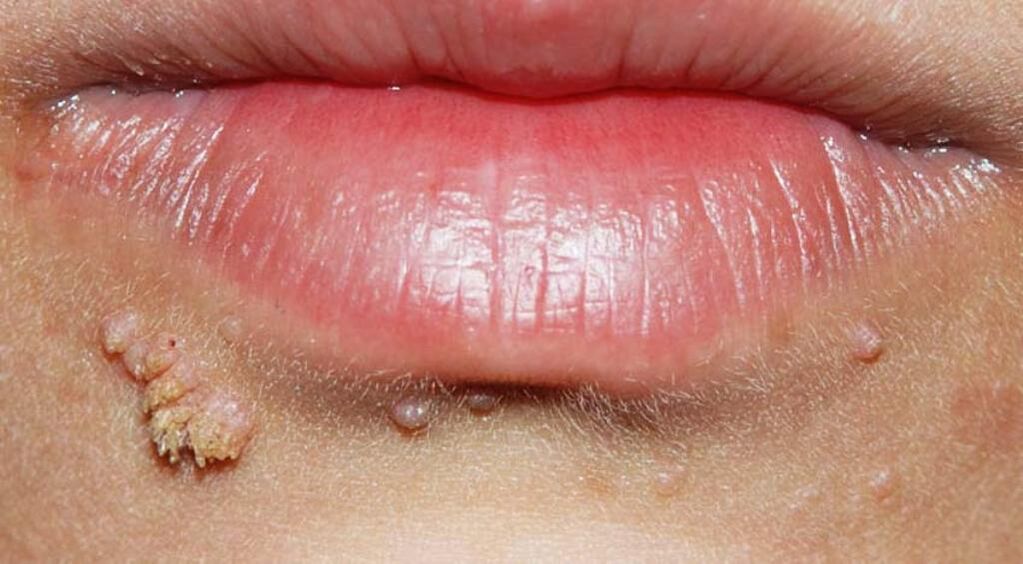
Depending on their structural type and location on the body, warts are classified into:
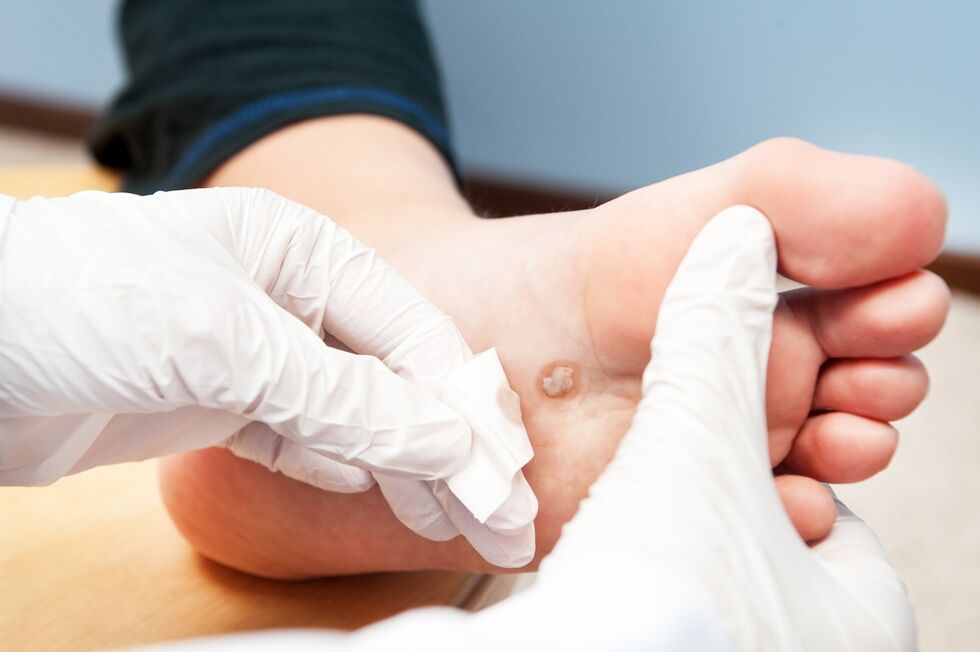
- Common (vulgar) - In everyday life, they are called "thorns," "thorns," "thorns."These growths are dense, have a hard, rough surface, are rounded in shape, and have roots deep into the skin.May cause significant pain when pressed;
- Genital warts are spiky, flat, soft growths that protrude from the surface of the skin.
- Flat (Young) - The growth has a smooth surface and is yellowish brown in color.
Warts are highly contagious.This is usually a family mess.To choose the most effective method for yourself, it's worth considering trustworthy treatment options in detail.
wart treatment
All existing methods of treating tumors aim to physically eliminate tumor growth.After the examination, the doctor will recommend the most ideal approach.Modern medicine offers methods of surgical removal and destruction of warts using chemical agents.
The effectiveness of some methods can be judged by how quickly it is removed, how quickly it heals, and whether growth returns.
laser method
Today, using a laser to remove growths is one of the most popular and fastest methods.Preferred for the treatment of pregnant women and children.In skilled hands, the laser does not cause pain.It can be used to remove warts from any part of the body.The advantages of this method are that it is bloodless and has a short recovery period.After laser irradiation, a hard skin will form on the growth area, which will fall off spontaneously as the skin heals.
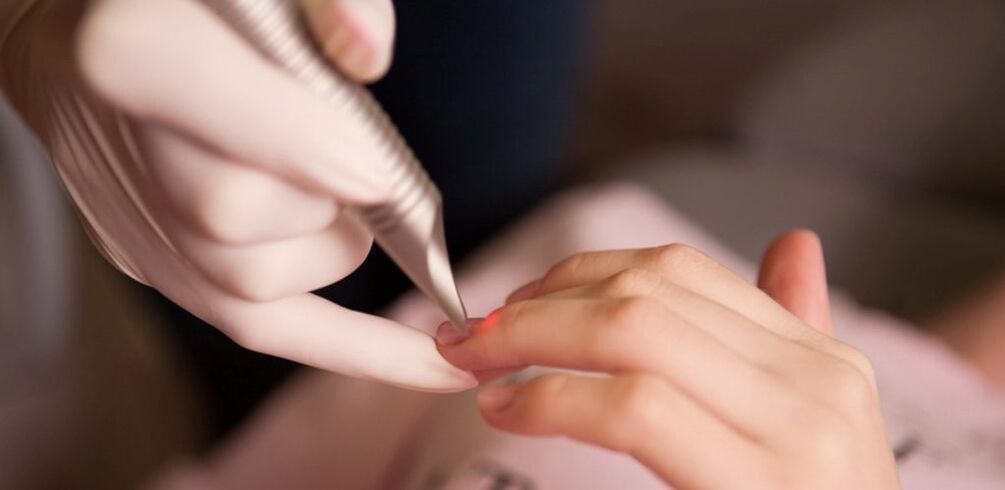
There are two treatment options, one of which is chosen based on the type of tumor:
- carbon dioxide laser;
- Erbium laser.
The essence of the method is this: a laser beam strikes infected cells, during which they are vaporized layer by layer.A laser blast can remove several warts at once without taking too much time.In most cases, there are no recurring tumors or scars after surgery.
radio wave removal method
A non-contact method of destroying tumors.It is used to eliminate benign growths on the face and neck, palms and feet, and intimate organs.It leaves virtually no marks or scars after use.
The essence of the method is this: a special device, often called a "radio knife," converts electricity into radio waves to cut tissue.This way, the growth can be removed without affecting surrounding healthy tissue or causing bleeding.
The process may take about half an hour.It is contraindicated in patients with glaucoma, those with pacemakers, during exacerbations of the disease, epilepsy patients, cancer patients, diabetics and pregnant women.
electrocoagulation
Using an electrical current to remove growths is an effective method with minimal side effects.For removing growths from skin and mucous membranes.In some cases, pain relief may be needed.The procedure takes several minutes, is bloodless, and allows you to collect a sample for histological examination.
The essence of the method is this: the tissue is exposed to AC and DC equipment, with the result that the proteins fold and the growth is actually burned.After surgery, dry scabs will appear on the wart area, which will fall off naturally after about a week.Generally, no scars will be left after surgery.
surgical resection
This is a well-established procedure using local anesthesia and suturing.It is used when medical treatments have not produced results.
The essence of the method is that the surface of the antiseptic-treated growth and adjacent healthy skin are anesthetized, and then the infected tissue is removed with a scalpel (a sample of which can be sent to histology).Afterwards, a bandage is applied to stop the bleeding and cosmetic sutures are performed.The recovery period can last several weeks, and certain rules need to be observed: do not wet the seam, treat it with antiseptic, bandage it.
Depending on the extent of the growth, marks may remain after healing.
There are several situations where it is reasonable to use a scalpel to remove a growth:
- If more modern methods are not available;
- The tumor is suspected to be malignant;
- When extensive growth needs to be eliminated.
freeze damage
Removal methods using liquid nitrogen are one of the most popular.It causes virtually no pain to the patient and takes seconds.
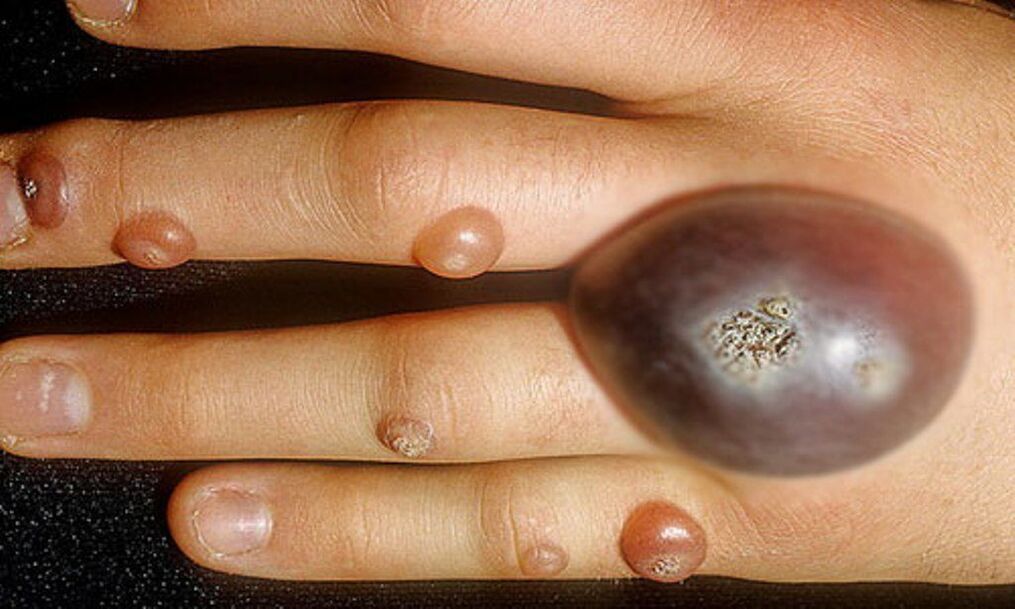
The essence of the method is this: using a special applicator dipped in liquid nitrogen, the wart cells are frozen and killed.Blood vessels become clogged, preventing infection from passing through the bloodstream.The dead tissue turns white and forms a scab, and the wound heals under the scab.
Important!
During surgery, it is difficult to control the depth of exposure.If the wart is large and deeply embedded in the epithelium, additional sessions may be required, so this method cannot be called the most effective.
Chemical cauterization of warts
One of the easiest ways to fight tumors is to treat them with chemicals that cause tissue death.It is best to entrust the procedure to medical professionals at a clinic to eliminate the risk of damaging healthy skin.Also, before using this method to remove a wart, you need to check whether it is benign.
In medical practice, medications based on salicylic acid are most often used.They are used to remove flat and common warts.Special methods are used to remove growths from private organs.
Tumors that are difficult to treat can be injected with antiviral drugs.
Demolition at home
Small growths can be removed using pharmaceutical preparations.The following products show good results:
- Apply a liquid containing m-cresol to the wart point by point.Depending on the size of the growth, one to four applications may be required.Treatment can be repeated after one week.On the day of treatment, avoid contact between the tumor and water;
- Sodium- and potassium-based ointments can cause tissue necrosis when applied to growths.Subsequently, they peel and fall off.This is a very potent caustic agent and safety precautions must be observed during use: do not allow it to come into contact with healthy skin, do not use it on mucous membranes, do not use it to treat children and pregnant women;
- Products based on dimethyl ether and propane.The essence of this method is to freeze pathologically altered tissue.To do this, you need to press the applicator included in the kit onto the wart for 10-40 seconds (depending on the type and size of the growth).After about two weeks, the skin in the treated area will peel off.If necessary, repeat the process.
Among folk methods, the most effective are:
- Rub the growth with the fresh juice of celandine – a plant that has deservedly gained popularity in treating skin ailments.This process is repeated several times a day until the wart falls off;
- Apply the garlic juice, rub the cloves onto the growth, and make a mixture of garlic cubes and vinegar, rub it into the growth and seal with rubber paste.Repeat daily until desired results occur.
prevention
In addition to eliminating tumors, an important role in further maintaining skin health is to adhere to recommendations and hygiene measures aimed at strengthening the immune system:
- eat healthy food;
- break bad habits;
- If necessary, take a vitamin and mineral complex;
- Stay physically active;
- Eliminate sweating in limbs;
- Treat wounds with disinfectant and wash hands after visiting public places;
- Avoid using other people’s personal belongings, clothing, and shoes.